Best overall: keep a consistent wake time, even after a difficult night. Best for bedtime hypervigilance: make the bedroom feel predictable. Best for long stretches awake: use a flexible version of stimulus control. These are the best sleep hygiene tips for PTSD insomnia because they address sleep timing and the nervous-system responses that can make bedtime feel unsafe.
- A consistent wake time is the best starting point among sleep hygiene tips for PTSD insomnia in 2026.
- A predictable bedroom routine can help when hypervigilance, rather than poor sleep habits, keeps you alert.
- If nightmares or persistent insomnia continue, ask about CBT-I and nightmare-focused treatment; sleep hygiene alone is not treatment for PTSD.
Why this matters
PTSD-related insomnia is not simply a matter of putting your phone away. Your nervous system can stay alert for threat when you want to sleep, and nightmares can make you reluctant to return to bed. A useful 2026 sleep plan respects those reactions rather than treating a missed bedtime as a failure.
Sleep hygiene can support treatment, but it does not replace it. Cognitive behavioral therapy for insomnia, or CBT-I, is a structured treatment for chronic insomnia. The U.S. Department of Veterans Affairs also identifies nightmares and sleep problems as issues that deserve direct attention in PTSD care. If sleep is persistently disrupted, discuss both the insomnia and the trauma symptoms with a qualified clinician.
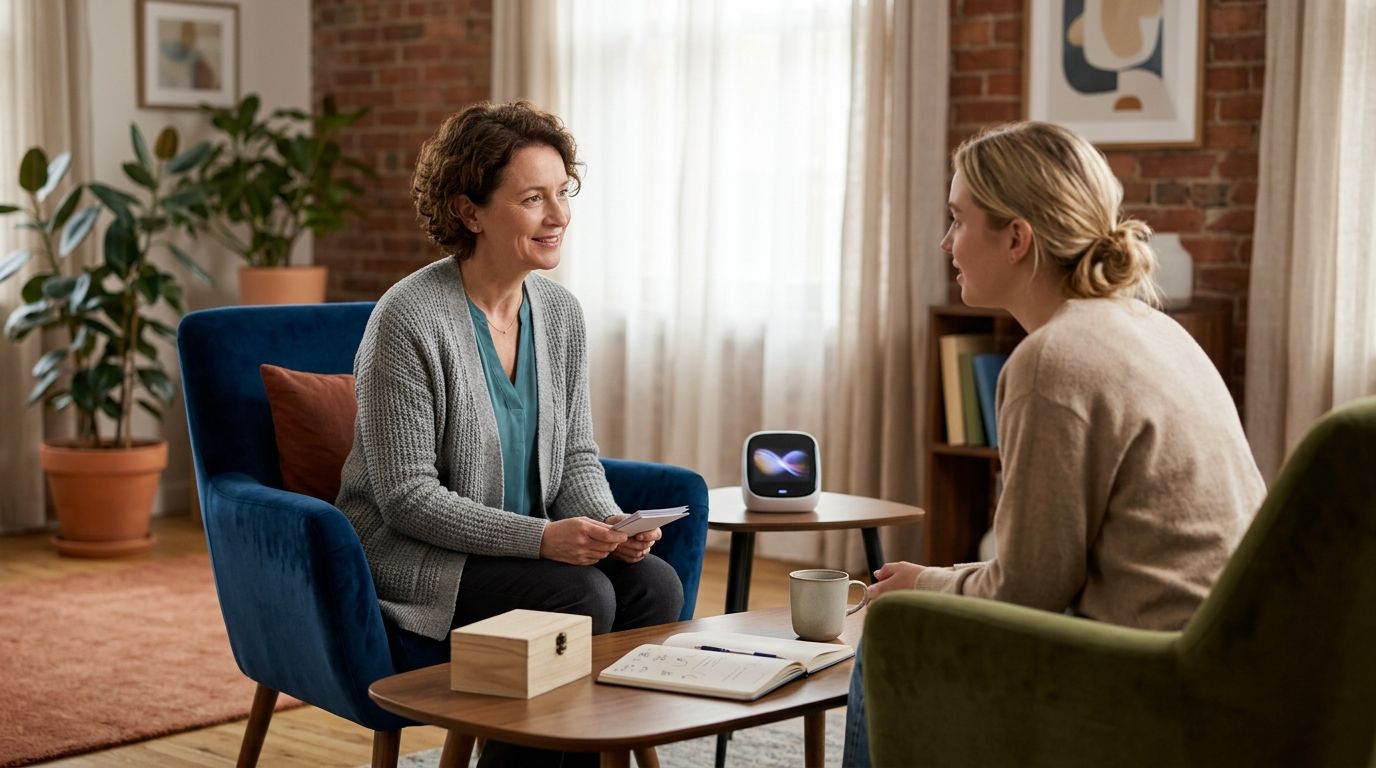
For adults in Escondido and San Diego County considering trauma-focused support, EMDR with Kelli offers Somatic EMDR intensives and weekly sessions. That is distinct from claiming that EMDR alone is a treatment for insomnia.
What makes a useful PTSD sleep habit?
Use these criteria before changing your evenings in 2026:
- Predictability: Does the habit give your body a dependable cue without demanding a perfect night?
- Sense of safety: Can you use it without feeling trapped, exposed, or pressured to ignore an actual safety concern?
- Fit with your symptoms: Does it address the problem you face: irregular timing, hypervigilance, rumination, nightmares, or time awake in bed?
- Flexibility: Can you adapt it after a flashback, a difficult therapy session, or a poor night?
- Treatment fit: Does it support, rather than postpone, care for persistent insomnia or PTSD?
A habit fails this test if following it makes you more frightened of bedtime. Choose a sustainable cue over a rigid rule.
PTSD sleep hygiene tips at a glance
| Tip | Best for | Standout feature | Key limitation |
|---|---|---|---|
| Consistent wake time | Irregular sleep timing | Establishes a repeatable morning cue | Hard after severe sleep loss |
| Predictable bedroom setup | Bedtime hypervigilance | Reduces avoidable uncertainty | Cannot resolve an unsafe environment |
| Gentle wind-down routine | Evening nervous-system arousal | Creates a transition into rest | Can become another source of pressure |
| Flexible stimulus control | Long periods awake in bed | Separates bed from prolonged wakefulness | Needs adaptation if leaving bed feels unsafe |
| Nightmare response plan | Fear of returning to sleep | Gives you a response after waking | Does not treat recurring nightmares by itself |
| Daytime sleep-pressure habits | Fragmented sleep | Supports a steadier day-night rhythm | Cannot replace insomnia treatment |
These are different tools, not a checklist you must complete every night. Start with the row that describes what interrupts your sleep most often.
1. Consistent wake time: best for irregular sleep timing
Choose a wake time you can maintain on most days. Keep it as steady as you reasonably can after a bad night, rather than repeatedly shifting it later to recover lost sleep. A predictable morning gives your sleep-wake cycle a clearer cue; it does not guarantee that you will fall asleep on schedule.
Consistent wake time pros:
- Gives you one clear place to start instead of a long bedtime checklist.
- Does not require you to force sleep when you are alert.
- Pairs naturally with morning daylight and a regular daytime routine.
Consistent wake time cons:
- Holding the same time after severe sleep loss can feel difficult.
- Shift work, caregiving, or other obligations can limit consistency.
Best for: You fall asleep and wake at widely changing times. Verdict: Buy into a realistic wake-time routine; hold off on rigid rules that leave you exhausted. If sleep loss affects your ability to drive or function safely, make that a clinical conversation rather than pushing through a schedule.
2. Predictable bedroom setup: best for hypervigilance
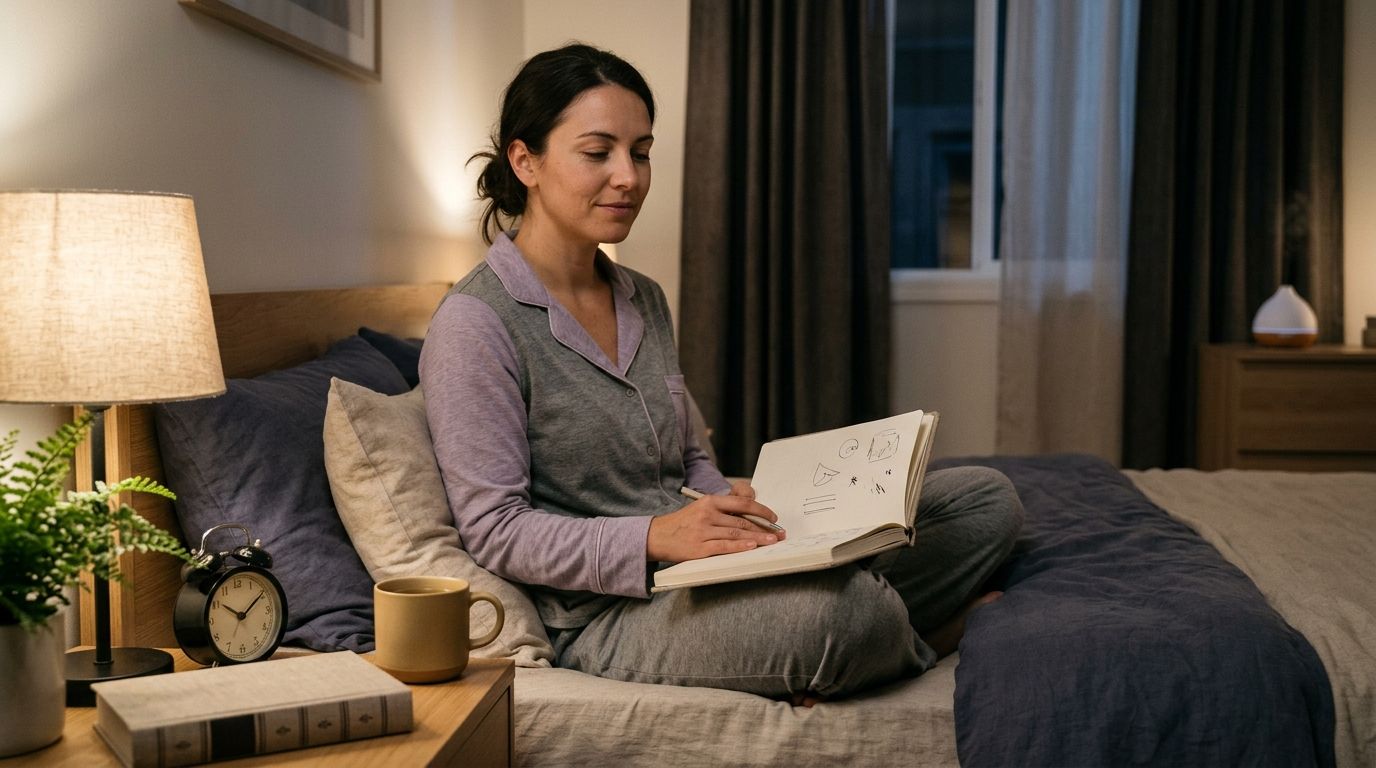
If bedtime triggers scanning for danger, begin with what you can control in the room. Decide which light level, door position, bedding, and background sound help you feel oriented. Make one practical safety check before bed, then notice whether repeating it increases anxiety instead of settling it.
The goal is a room you can return to after waking, not a perfectly silent or dark room. Standard sleep advice often favors darkness, but you do not need to remove a light that helps you feel safe.
Predictable bedroom setup pros:
- Centers your sense of safety instead of enforcing a generic bedroom rule.
- Makes the space easier to recognize after a nightmare.
- Lets you change one environmental cue at a time.
Predictable bedroom setup cons:
- Repeated checking can become part of the bedtime problem.
- Room changes cannot fix an actual safety concern or treat PTSD.
Best for: You feel watchful as soon as you enter the bedroom. Verdict: Buy the principle of predictability; skip any setup that increases checking or distress.
3. Gentle wind-down routine: best for evening arousal
Give yourself a familiar transition between daily activity and bed. That might mean setting down a work task, choosing a quiet activity, or briefly noticing where your body contacts the chair or floor. You do not have to make your breathing slow or your mind blank to benefit from a calmer transition.
The Centers for Disease Control and Prevention advises turning off electronic devices at least 30 minutes before bedtime as a general sleep habit. For PTSD, treat that as a possible boundary around stimulating content, not a test you have failed if you need a device for comfort or connection. What you watch and how it affects you matter more than completing a flawless routine.
Gentle wind-down routine pros:
- Gives the nervous system a recognizable change of pace.
- Can be adjusted after a difficult day.
- Does not require a particular relaxation technique.
Gentle wind-down routine cons:
- Body-focused exercises can feel activating for some trauma survivors.
- A long routine can make bedtime feel like a performance.
Best for: Your body feels on alert well into the evening. Verdict: Buy a short, repeatable transition; skip exercises that increase distress. For additional ways to respond to arousal, see the guide to somatic exercises in Related guides.
4. Flexible stimulus control: best for lying awake in bed
Stimulus control is a component of CBT-I. Its basic idea is to avoid spending long, frustrating stretches awake in bed, so the bed is less closely associated with struggling to sleep. When you notice that you are awake and becoming distressed, consider moving to a comfortable place for a quiet activity, then return when sleepiness comes back.
Do not turn this into clock-watching. If leaving the room feels unsafe or triggers trauma symptoms, discuss an adaptation with a CBT-I clinician. You can preserve the aim of reducing the struggle without forcing yourself through a frightening rule.
Flexible stimulus control pros:
- Addresses the association between bed and prolonged wakefulness.
- Gives you an alternative to trying harder to sleep.
- Fits within a recognized insomnia treatment approach.
Flexible stimulus control cons:
- Getting up can feel unsafe or impractical.
- Applying the rule rigidly can add pressure.
Best for: You spend long periods in bed alert and frustrated. Verdict: Buy the flexible principle; hold a strict version until a clinician helps you adapt it.
5. Nightmare response plan: best for fear of returning to sleep
Decide while you are awake what you will do after a nightmare. A simple plan can include orienting to the present room, feeling your feet against the floor, and choosing whether to remain in bed or move somewhere comfortable. Keep the plan brief enough to remember when you are disoriented.
A response plan helps you navigate the moments after waking; it does not treat recurring nightmares. Ask a clinician about nightmare-focused treatments if nightmares continue. If a grounding exercise intensifies a flashback, stop that exercise and use a different cue that helps you recognize where you are now.
Nightmare response plan pros:
- Removes some decisions from a disorienting moment.
- Keeps the focus on present-day orientation.
- Can be tailored to the cues that feel safe for you.
Nightmare response plan cons:
- It does not prevent nightmares.
- Some sensory or body-focused prompts can increase distress.
Best for: You wake from nightmares and dread falling asleep again. Verdict: Buy a simple response plan; do not use it as a substitute for nightmare treatment.
6. Daytime sleep-pressure habits: best for fragmented sleep
Your daytime pattern affects the night. Get daylight when you can, keep daily activities reasonably regular, and notice whether late caffeine or long naps coincide with more wakefulness at night. Change one habit at a time so you can tell what helps rather than overhauling your day after a single poor night.
The CDC says adults generally need 7 or more hours of sleep per night. That is a population recommendation, not a nightly score you must achieve. If pursuing it makes you anxious, shift your attention back to the habits you can control and bring the persistent sleep difficulty to a clinician.
Daytime sleep-pressure habits pros:
- Gives you useful choices outside the stressful bedtime window.
- Helps you notice patterns across days, not just one night.
- Can support a consistent wake time.
Daytime sleep-pressure habits cons:
- Work, health needs, and caregiving can limit your options.
- Daytime habits alone do not resolve chronic insomnia or nightmares.
Best for: Your sleep is fragmented and your daily timing varies. Verdict: Buy one manageable daytime change; skip the complete-routine overhaul.
How these tips are ranked
The 2026 ranking puts a consistent wake time first because it is a clear starting cue that does not ask you to force sleep. The remaining tips are organized by the barrier they address, not by a claim that one PTSD symptom matters more than another. Safety and flexibility carry more weight here than strict compliance with a generic sleep checklist.
EMDR with Kelli is a trauma therapy practice, not a substitute for CBT-I or a sleep-medicine evaluation. If insomnia persists, ask about insomnia-specific care while continuing to address PTSD with the appropriate clinician. Both problems deserve attention.
Which PTSD sleep hygiene tip should you choose?
Start with a realistic wake time, then choose one tip matched to your main obstacle. Add a predictable bedroom setup if you feel watchful at night, a short wind-down if evening arousal is the problem, or a nightmare response plan if waking frightened is what keeps you from returning to sleep. Do not stack all the tips together and judge the night by whether you followed every one.
In 2026, the key distinction is between supporting sleep and treating a sleep disorder. Sleep hygiene is support. Persistent insomnia calls for an assessment and a discussion of CBT-I; recurring nightmares warrant their own treatment discussion. Tell your clinician if a technique increases fear, checking, dissociation, or exhaustion so the plan can be adjusted.
FAQ
What are the best sleep hygiene tips for PTSD insomnia?
A consistent wake time is the best starting point for PTSD insomnia in 2026, followed by a habit matched to your main sleep barrier. Bedroom predictability, a gentle wind-down, and a nightmare response plan serve different needs.
Is sleep hygiene enough to treat PTSD-related insomnia?
No. Sleep hygiene can support rest, but persistent insomnia deserves assessment and a discussion of CBT-I. PTSD symptoms and recurring nightmares also need direct clinical attention.
Should I force myself to sleep at the same bedtime every night?
No. A consistent wake time is a more useful starting cue than forcing sleep at a fixed bedtime. If you are alert and distressed in bed, a clinician can help you adapt stimulus-control strategies safely.
What should I do after a PTSD nightmare?
Orient yourself to the present room and use a brief response plan that feels safe. If nightmares recur, ask a qualified clinician about nightmare-focused treatment rather than relying on a bedtime routine alone.
Is a dark bedroom always best when I have PTSD?
No. Keep a level of light that helps you feel safe and oriented. A generic darkness rule is not useful if it increases hypervigilance or distress.
Can EMDR replace CBT-I for chronic insomnia?
No. EMDR is a trauma-focused therapy, while CBT-I directly targets insomnia. Discuss both trauma symptoms and sleep difficulties with qualified clinicians so neither concern is overlooked.
How long before bed should I turn off electronic devices?
The CDC recommends turning off electronic devices at least 30 minutes before bedtime as a general sleep habit. If a device helps you feel safe, discuss a workable alternative rather than treating that recommendation as a rigid PTSD rule.
One last thing
If a sleep tip makes the bedroom feel less safe, it is the wrong version of that tip for you. In 2026, a useful sleep plan makes room for the nervous system's response to trauma and changes when that response calls for something different. Bring the specific point of difficulty, whether it is falling asleep, waking from nightmares, or remaining alert in bed, to your clinician.